If you have been looking at your Pleasanton lawn and wondering whether all that grass, watering, mowing, and maintenance still makes sense, there may be a financial incentive to make a change.
Pleasanton homeowners who replace qualifying lawn with a water-efficient landscape may be able to combine rebates available through the City of Pleasanton and Zone 7 Water Agency. Under the currently published programs, eligible residential projects can receive up to $3,575 in combined rebates.
Do not remove your lawn before your project has been approved.
Both programs require approval before work begins, and retroactive rebates are not available. That means the smartest first move is not grabbing a shovel or calling a landscaper. It is checking eligibility and getting your paperwork in order.
Here is what Pleasanton homeowners should know before transforming a traditional lawn into a water-wise landscape.

What Is the Pleasanton Lawn Conversion Rebate?
The City of Pleasanton offers an Eco-Friendly Lawn Conversion Rebate designed to encourage homeowners to replace traditional lawn with landscapes that require less water and follow environmentally friendly landscaping practices.
Pleasanton customers can also participate in Zone 7 Water Agency’s Water-Efficient Landscape Rebate Program. When a qualifying residential project meets the requirements of both programs, the incentives can be combined.
How Much Can a Pleasanton Homeowner Receive?
Under the current published terms, Zone 7 offers $2 per square foot of eligible lawn converted, up to $3,000 for a residential property. Pleasanton’s additional Eco-Friendly Lawn Conversion incentive provides $0.50 per square foot, with a residential maximum of $575 and a limit of 50% of eligible material costs. That creates a potential combined residential maximum of $3,575.
That does not mean every homeowner will receive $3,575. Your rebate depends on factors such as:
- The amount of qualifying lawn converted
- Whether the project satisfies both programs
- Eligible material costs
- Water-service eligibility
- Landscape design requirements
- Available program funding
Funding is limited and offered on a first-come, first-served basis, so homeowners should confirm availability before making financial commitments.

The Most Important Rule: Apply Before Removing Your Lawn
If you remember only one thing from this guide: do not start your lawn conversion before receiving approval.
Zone 7 requires homeowners to receive a Notice to Proceed before beginning the project. Pleasanton’s program also requires its own authorization when participating in the City’s additional rebate. Starting beforehand can make a project ineligible because the programs do not provide retroactive rebates.
That includes more than installing the new plants. Do not assume it is safe to remove the turf first and apply later.
What Should You Do Before Hiring a Landscaper?
A practical order of operations is:
- Confirm that your water service and property qualify.
- Measure the lawn area you want to convert.
- Take clear photos while the existing lawn is still in place.
- Develop your proposed plant list.
- Create a basic landscape sketch.
- Obtain HOA approval if your property requires it.
- Submit the required rebate applications.
- Wait for the required approvals and Notice to Proceed.
- Only then begin purchasing eligible materials and completing the conversion.
Zone 7’s current application requires photos of the existing lawn, a plant list, a project sketch, and HOA approval where applicable. Receipts used for reimbursement must also be dated after the Notice to Proceed. That makes planning ahead especially important.

Who May Qualify for a Pleasanton Lawn Conversion Rebate?
Eligibility is more specific than simply owning a home with grass.
Water Service Matters
For the Zone 7 program described here, the property must receive water service from an eligible participating provider such as the City of Pleasanton, and the water account must be in good standing.
Properties receiving water from Cal Water are directed to a separate rebate program rather than this Zone 7 incentive. If you are uncertain who provides water to your property, DarinOBrien.com also maintains a collection of Pleasanton homeowner resources with useful local information.
Your Existing Lawn Must Qualify
Zone 7’s current program applies to lawn that is being irrigated by a sprinkler system. Its published requirements call for at least 100 square feet of sidewalk-visible lawn or 200 square feet for a qualifying backyard project. Pleasanton’s Eco-Friendly Lawn Conversion program focuses on eligible sidewalk-visible lawn and requires a minimum 100-square-foot conversion for its additional incentive.
Because the requirements for the two incentives are not identical, Pleasanton homeowners seeking the combined rebate should confirm that their proposed area satisfies both programs.
What Does a Rebate-Eligible Water-Wise Yard Look Like?
Replacing a lawn does not mean replacing greenery with a field of rocks. In fact, the programs are designed around creating a living, water-efficient landscape.
Use Water-Wise Plants
Zone 7 currently requires new plants to qualify as low- or very-low-water-use species under recognized landscape resources, with plants eventually providing at least 50% coverage of the converted area at maturity. Pleasanton’s additional rebate also calls for including California native plants.
That gives homeowners plenty of opportunity to create a yard that still has color, texture, seasonal interest, and curb appeal. Think in layers rather than simply replacing grass with one material:
- Flowering California natives
- Low-water shrubs
- Ornamental grasses appropriate for the climate
- Ground covers
- Mulched planting beds
- Carefully placed pathways
- Drip irrigation where needed
A well-designed lawn conversion can look intentional and finished instead of sparse.
Use Sheet Mulching
Pleasanton’s Eco-Friendly Lawn Conversion program requires sheet mulching rather than physically digging out the lawn or relying on herbicides to kill it.
The basic idea is to smother the existing lawn beneath layers of biodegradable material, compost, and mulch. Pleasanton’s published program specifies a one-inch layer of compost and a three-inch layer of mulch as part of its process.
This approach helps turn the existing lawn into part of the soil-building process rather than sending removed turf elsewhere.
Update the Irrigation
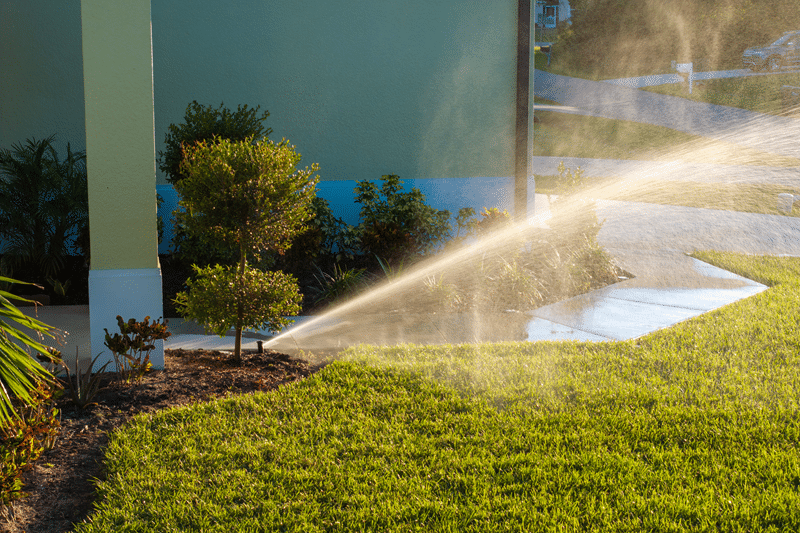
One of the goals of lawn conversion is to stop using an irrigation system designed for thirsty turf. Zone 7 requires the sprinkler heads within the project area to be either capped or converted appropriately to drip irrigation.
That is an easy detail to overlook when homeowners focus primarily on plants.
Can You Replace Your Pleasanton Lawn With Artificial Turf?
No. Artificial turf does not qualify under the lawn-conversion rebate programs discussed in this guide.
Zone 7’s current terms exclude artificial turf, non-permeable weed-block materials, and non-permeable hardscape such as mortared concrete, brick, or flagstone within the converted area. Pleasanton’s additional rebate similarly does not allow artificial turf or non-permeable hardscape in the qualifying converted area.
The goal is not simply to eliminate grass. It is to create a more environmentally friendly landscape that conserves water while maintaining appropriate planting and permeability.
Why Fall Can Be a Smart Time to Convert a Pleasanton Lawn
If you are researching a lawn conversion in late summer, your timing may actually work in your favor.
Pleasanton’s Eco-Friendly Lawn Conversion requirements call for replacement planting during the cool season between September and February. Cooler temperatures can reduce stress on newly installed plants and give roots time to establish before the hotter, drier months return.
For homeowners considering a fall project, late summer can therefore be used for the less exciting – but extremely important – part: planning, measuring, applying, and getting approved.
Then, once the required authorization has been received, installation can align with the preferred planting season.
Can Replacing Your Lawn Improve Curb Appeal?
It certainly can, but design matters.
A neglected lawn with dry patches, uneven edges, failing sprinklers, or constant maintenance needs can make the front of a house feel tired. Replacing it with a thoughtfully designed landscape may create a cleaner, more intentional first impression.
That does not mean every lawn conversion automatically improves a home’s value. There is an important difference between a professionally planned water-wise landscape and simply removing the grass.
Pleasanton buyers still notice:
- Overall landscape condition
- Mature plants
- Visual balance
- Walkways and entrances
- Shade
- Outdoor usability
- Ease of maintenance
- Whether the landscaping complements the house
If you are making improvements with a future sale in mind, it can help to compare landscaping with other high-impact curb appeal improvements for Pleasanton and Dublin homes. The objective should be more than saving water. Ideally, the project should make the property look better at the same time.

Could Water-Wise Landscaping Affect Your Pleasanton Home’s Marketability?
Landscaping contributes to the overall condition and presentation buyers see when they arrive.
If you are already wondering about your Pleasanton home value in 2026, a front-yard improvement is best evaluated as part of the property as a whole.
For example, imagine two similar Pleasanton homes. One has an aging lawn, broken sprinklers, brown patches, and landscaping that appears difficult to maintain. The other has an established low-water garden with defined planting areas, healthy plants, fresh mulch, and an inviting walkway.
A buyer may perceive those properties differently before stepping through the front door. But homeowners should be careful about assuming that spending $10,000 on landscaping will automatically add $10,000 – or more – to the sales price. Real estate rarely works that neatly.
A better question is: Will this improvement make my home more appealing to the buyers most likely to purchase it?
Should You Convert Your Lawn If You May Sell Your Home Soon?
That depends largely on your timeline.
If You Plan to Stay for Several Years
A lawn conversion may provide benefits you can personally enjoy, including potentially lower landscape water use, less mowing, a fresh appearance, and a yard better adapted to the Tri-Valley’s climate.
You also have more time for plants to mature and for the landscape to develop the established appearance buyers often appreciate.
If You Plan to Sell Within a Year
Think carefully about cost versus presentation. You may not need a full landscape redesign simply because a rebate exists.
Sometimes trimming, mulch, irrigation repairs, cleanup, strategic replacement planting, and improving the entrance can produce a better short-term return on your preparation budget.
The same principle applies to many pre-sale improvements: prioritize the projects that buyers are most likely to notice.
If You Are Already Preparing to List
Before committing significant money to landscaping, look at the broader selling strategy. Pricing, condition, photography, repairs, paint, lighting, staging, and curb appeal all compete for the same preparation budget.
If selling is already on your radar, this guide on whether it is a good time to sell a Pleasanton home can help you think through the larger decision.
Common Lawn Conversion Mistakes Pleasanton Homeowners Should Avoid

Starting Before Approval
This is the big one. Do not remove turf, purchase reimbursable materials, or begin installation assuming you can submit paperwork afterward. The programs do not provide retroactive rebates.
Assuming the Maximum Rebate Is Guaranteed
“Up to $3,575” means exactly that. The actual amount depends on your qualifying square footage, material expenses, successful completion of the program requirements, and available funding.
Designing the Yard Before Reading the Plant Requirements
Falling in love with a design first can create headaches if the proposed plants or materials do not qualify. Build the program requirements into the design from the beginning.
Forgetting About the Irrigation System
Removing the grass does not automatically solve the irrigation issue. The existing sprinkler heads within the conversion area need to be addressed in accordance with the rebate requirements.
Assuming Artificial Turf Qualifies
It does not under the programs discussed here.
Ignoring HOA Requirements
If your Pleasanton home belongs to an HOA, you may need approval before changing the front landscaping. The rebate application may require an HOA approval letter where applicable.
Designing Only for the Rebate
A rebate can reduce project cost, but your landscape will remain long after the rebate check arrives. Design something you actually want to live with.
Think about shade, color, maintenance, pets, children, pathways, views from inside the house, and how mature plants will look several years from now.
Plan First, Then Transform Your Pleasanton Yard
A lawn conversion can be more than a way to replace grass. Done thoughtfully, it can create an attractive landscape that uses plants better suited to our climate, reduces reliance on traditional turf irrigation, and potentially gives Pleasanton homeowners access to meaningful financial incentives.
Research first. Apply second. Get approved. Then transform the yard.
With combined residential incentives currently reaching as much as $3,575, it is worth checking the program before paying for a project entirely out of pocket. Just remember that funding, terms, and eligibility can change, so verify the current requirements immediately before beginning.
And if your landscaping project is part of a bigger question – such as whether to improve your home, prepare it for sale, or determine which upgrades are likely to matter most to Pleasanton buyers – it can be helpful to evaluate the project through a real-estate lens as well.
Darin O’Brien works with homeowners and buyers throughout Pleasanton and the East Bay. Explore Darin O’Brien’s Pleasanton and East Bay real estate resources or contact Darin when you are ready to discuss your home’s next chapter.
Pleasanton Lawn Conversion Checklist
Before you touch your existing turf, save this quick homeowner checklist before starting the project:
Frequently Asked Questions
About the Author: Darin O’Brien

Darin O’Brien is a native San Francisco East Bay Area REALTOR®, an author of books for buyers and sellers, and A.I. Certified Agent™. He works with JPAR® Iron Horse Real Estate, specializing in homes and luxury properties.
DRE #01359917
📧 darin@darinobrien.com
📞 (925) 639‑4851
Related Posts