If you own a home in Pleasanton, you may have heard that changes to the City’s sewer rates are being considered.
The most important thing to know right now is simple:
The proposed Pleasanton sewer rate changes have not yet been adopted.
Pleasanton completed a comprehensive sewer rate study and has moved into the formal public-review process for proposed rate and rate-structure changes covering the next four years. The City Council is scheduled to consider the proposal at a public hearing on November 17, 2026, at 7:00 p.m. If approved, the first new rates would take effect January 1, 2027.
For homeowners, the goal is not to panic over another household expense. It is to understand what is being proposed, which parts of the sewer bill Pleasanton actually controls, and what opportunities residents have to review or comment on the changes before a final decision is made.
What Is Pleasanton Proposing?
The City is proposing updates to both its sewer rates and the way some customer categories are structured.
Pleasanton says the changes are based on a 2026 cost-of-service analysis that examined operating expenses, system maintenance, rehabilitation needs, future capital projects, regulatory requirements, and the amount of wastewater different customer types are estimated to generate.
In practical terms, the City is trying to answer two questions:
- How much revenue is needed to maintain a reliable sewer system over the coming years?
- How should those costs be distributed among residential, commercial, industrial, institutional, and other customers?
The proposal includes adjustments for fiscal years 2027 through 2030.
Again, those proposed rates are not final yet.

When Would the Proposed Pleasanton Sewer Rates Take Effect?
If approved after the Proposition 218 process and November public hearing, the first adjustment is scheduled to take effect on January 1, 2027. Additional adjustments are proposed over the following years through FY 2030.
That distinction is important because Pleasanton homeowners already saw a separate CPI-based adjustment to local sewer rates effective July 1, 2026.
The current 2026 local single-family sewer collection charge is $28.38 per bimonthly billing cycle following a 2.48% CPI adjustment.
The larger rate proposal now under review would be a separate change beginning in 2027 if adopted.
How Much Could a Typical Single-Family Sewer Bill Increase?
For a typical single-family residential customer, the City says the proposed first-year change would increase Pleasanton’s local fixed sewer collection charge by approximately $25.33 per bimonthly billing cycle.
That works out to roughly $12.67 per month for the City-controlled portion of the sewer bill.
That figure deserves some context.
Your total sewer charge can include more than the amount Pleasanton sets for operating its local collection system. A regional wastewater treatment charge can also appear on the same bill.
So when you hear that “sewer rates are going up,” it is useful to ask: Which sewer rate?
What Part of Your Sewer Bill Does Pleasanton Actually Control?
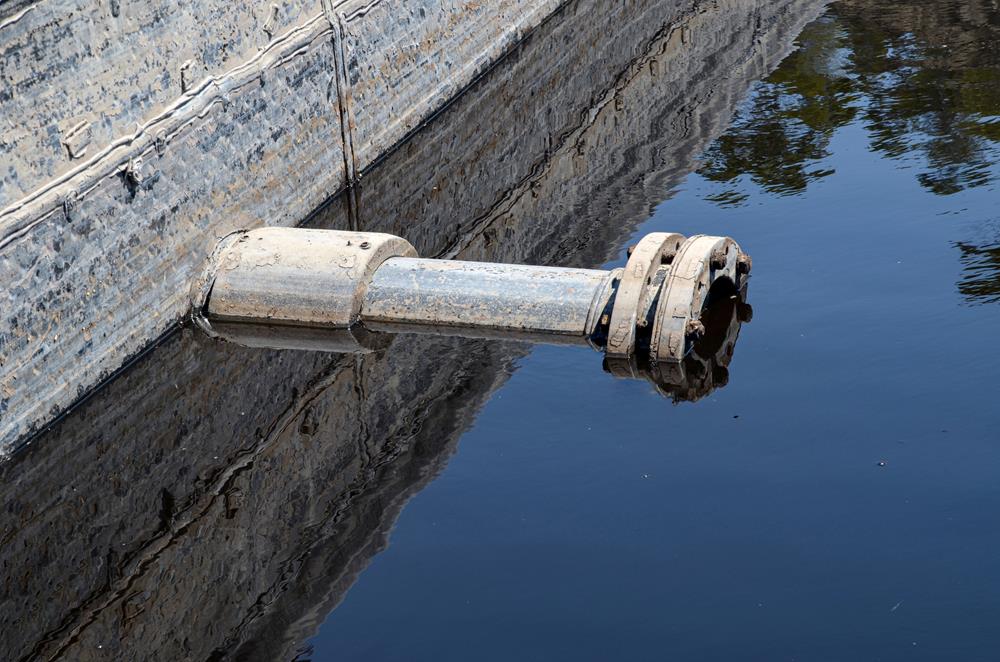
Pleasanton operates the local sewer collection system.
Think of that as the network that carries wastewater away from homes and businesses through the City’s sewer infrastructure.
Regional wastewater treatment and disposal are handled separately by the Dublin San Ramon Services District, or DSRSD. Pleasanton collects DSRSD’s charge on the utility bill and passes that money along to the regional agency. Pleasanton does not set that regional treatment rate.

What Is a Pass-Through Charge?
A pass-through charge is a fee collected by one agency on behalf of another.
In this case, Pleasanton may collect the regional treatment charge through your bill, but that does not mean the City determines the amount.
This distinction matters when homeowners compare current bills with proposed changes.
For example, DSRSD adopted its own updated regional sewer rate schedule in 2026. Its fixed single-family residential treatment charge increased from $61.58 to $65.58 bimonthly beginning July 1, 2026.
That regional change is separate from Pleasanton’s proposed local rate changes scheduled for consideration in November.
Why Is Pleasanton Reviewing Sewer Rates?
Most homeowners probably do not spend much time thinking about sewer infrastructure until something stops working.
But underground systems require ongoing investment.
Pleasanton says much of its sewer infrastructure was installed decades ago and will need rehabilitation or replacement over time. The City estimates more than $55 million in sewer infrastructure rehabilitation and replacement needs over the next four years.
Historically, Pleasanton relied largely on inflation-based adjustments to sewer rates.
The City says that approach has not kept pace with the longer-term cost of:
- Operating the sewer system
- Maintaining pipes and other infrastructure
- Rehabilitating aging components
- Replacing infrastructure when necessary
- Meeting regulatory requirements
- Reducing the risk of failures, overflows, and emergency repairs
The proposed rate structure is intended to move toward a more detailed cost-of-service approach rather than relying primarily on annual inflation adjustments.
What Does “Cost of Service” Mean?
A cost-of-service study looks at what it actually costs to provide utility service and how those costs should reasonably be allocated among customer groups.
For residential sewer customers, Pleasanton’s analysis considers factors such as household occupancy and estimated indoor water use.
Commercial and institutional customers are evaluated differently because wastewater patterns can vary significantly by use.
A restaurant, for example, does not necessarily generate wastewater in the same way as an office.
The goal of the new structure is to more closely connect what different customer groups pay with the estimated cost of serving them.

What Is Proposition 218 and Why Does It Matter?
You may see the phrase Proposition 218 repeatedly in City information about this proposal.
For homeowners, the simplest explanation is this:
Proposition 218 establishes a formal public process that local agencies must follow before adopting certain property-related fees and charges.
As part of that process, Pleasanton is mailing notices describing the proposed sewer rates to property owners and sewer customers.
Residents have an opportunity to review the proposal and submit written protests or objections before the public hearing.
When Is the Pleasanton Sewer Rate Public Hearing?
Tuesday, November 17, 2026, at 7:00 p.m.
At that meeting, the City Council can consider the proposed rate changes and potentially adopt them.
If you want to participate in the process, review the Proposition 218 notice you receive carefully because it contains the official instructions and deadlines for protests and objections.
What About Condos and Multifamily Properties?
The proposed changes are not limited to detached single-family homes.
Pleasanton’s rate study also proposes changes for condominium and multifamily customers.
One of the goals is to simplify the residential rate structure and align customer classifications more closely with estimated wastewater generation and the cost of providing service.
This is another reason homeowners should review the rate information for their specific property type rather than assuming that every residential account will experience the same change.
Are Sewer Connection Fees Changing Too?
Yes, Pleasanton is also considering changes to sewer connection fees.
But connection fees are different from the recurring sewer charges most homeowners see on their utility bills.
A sewer connection fee is generally a one-time charge associated with new development or a change in use that increases demand on the sewer system.
Under the proposal, the single-family sewer connection fee would increase from $556.24 to $2,250 in FY 2027. The City notes that most of that fee is associated with regional treatment capacity charges established by DSRSD.
Are Connection Fees Part of the Proposition 218 Hearing?
No.
The City Council plans to consider updated connection fees at the November 17 meeting, but those fees are not part of the Proposition 218 public-hearing and protest process for recurring sewer rates.
That distinction may be particularly relevant for homeowners considering:
- An ADU
- Significant redevelopment
- Certain additions
- Changes in property use
- Projects that could increase sewer-system demand
The applicability of a connection fee depends on the project, so homeowners planning improvements should verify requirements with the City rather than assuming a specific charge will apply.
What Should Pleasanton Homeowners Do Right Now?
There is no need to treat a proposed rate as though it has already been approved.
Instead, use the next few months to understand the proposal.
A practical homeowner checklist is:
This is especially important because a proposal can change before final adoption.
Should Pleasanton Homeowners Budget for a Higher Sewer Bill Yet?
It is reasonable to be aware that a higher local sewer charge is being proposed.
But there is a difference between planning for the possibility of an increase and treating that increase as final.
Until the November hearing and City Council action occur, homeowners should continue to describe these as proposed rates.
If you are reviewing your household budget for 2027, the proposal can give you an idea of what may be coming, but check the final adopted rate before relying on a specific number.
Do the Proposed Sewer Rates Affect Pleasanton Home Values?
A sewer rate change by itself does not determine what a Pleasanton home is worth.
Home value is influenced by a much broader combination of factors, including:
- Location
- Property condition
- Lot size
- Square footage
- Floor plan
- Improvements
- Comparable sales
- Buyer demand
- Interest rates
- Market conditions
But utility expenses are part of the overall cost of homeownership, and buyers increasingly pay attention to recurring costs when comparing properties.
Those costs can include:
- Property taxes
- Insurance
- HOA dues
- Water and sewer bills
- Electricity and gas
- Landscaping
- Repairs and maintenance
So while a sewer-rate adjustment should not be treated as a direct home-value calculation, it is still useful information for both current homeowners and buyers considering a Pleasanton property.
Why City Utility Updates Matter When You Own a Pleasanton Home
Owning a home involves much more than following mortgage rates and watching estimated property values online.
Local government decisions can affect everyday ownership in ways that are easy to overlook.
Homeowners may need to keep track of:
- Water and sewer rates
- Permit requirements
- Landscaping regulations
- Tree-removal rules
- ADU requirements
- Infrastructure projects
- Development changes
- Local taxes and assessments
None of these issues necessarily determines whether owning a home in Pleasanton makes sense.
But understanding them can help you make better-informed decisions about your property.
That can be particularly useful when you are planning a remodel, evaluating future expenses, preparing to sell, or deciding whether to buy another home locally.
Stay Informed Before the November Hearing
For Pleasanton homeowners, the main takeaway is straightforward:
The sewer-rate changes being discussed are proposals—not final adopted rates.
The next major date is November 17, 2026, when the City Council is scheduled to hold its public hearing and consider the proposal. If adopted, the first new rates would begin on January 1, 2027.
Between now and then, homeowners can review their mailed notice, understand the difference between Pleasanton’s local sewer charge and regional treatment charges, and decide whether they want to participate in the public-review process.
Keeping up with local utility and infrastructure changes may not be the most exciting part of homeownership, but it can help you understand the real costs and responsibilities that come with owning property in Pleasanton.
If you are buying, selling, or planning improvements to a Pleasanton property, Darin O’Brien can help you look at the broader real-estate considerations that may matter before your next move.
Frequently Asked Questions
About the Author: Darin O’Brien

Darin O’Brien is a native San Francisco East Bay Area REALTOR®, an author of books for buyers and sellers, and A.I. Certified Agent™. He works with JPAR® Iron Horse Real Estate, specializing in homes and luxury properties.
DRE #01359917
📧 darin@darinobrien.com
📞 (925) 639‑4851
Related Posts