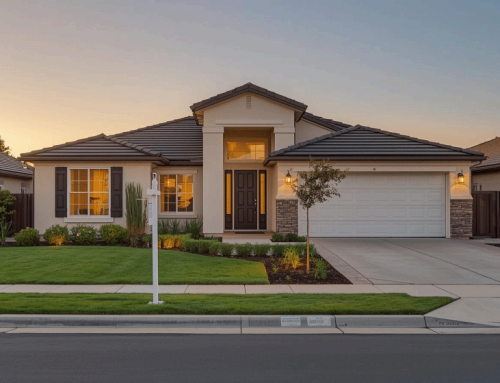
If you own a home in Pleasanton, your online estimate might be interesting, but it is not the whole story. The real Pleasanton home value 2026 question depends on more than a Zestimate, Redfin Estimate, or quick online calculator.
In Pleasanton, two homes with the same square footage can sell for very different prices. Neighborhood, condition, floor plan, school boundaries, lot usability, upgrades, buyer demand, and timing all matter. Sometimes the difference is obvious. Sometimes it is hiding in the details, like a remodeled kitchen, a better yard, a quieter street, or a floor plan buyers actually want.
So, how much is your Pleasanton home worth in 2026?
Based on the latest available 2026 public market data from Redfin, Zillow, Realtor.com, and Homes.com, Pleasanton home values are generally in the mid-$1 million range citywide. Several sources place Pleasanton’s median sale price, median list price, or average home value around $1.49 million to $1.59 million, depending on the metric used. That does not mean your home is worth that exact number. It means Pleasanton remains a high-value East Bay and Tri-Valley market where pricing has to be specific, local, and strategic.
Pleasanton Home Value 2026: What Is the Average Home Value?
The latest available 2026 data shows Pleasanton remains one of the stronger real estate markets in the East Bay and Tri-Valley, but the market is not moving in one simple direction.
Redfin reported that over the three months ending May 2026, Pleasanton homes sold for a median price of $1,494,106, down 11.3% compared with the same period the year before. Redfin also reported a median sale price per square foot of $784, with homes selling in around 21 days and 134 homes sold in May 2026.
Zillow’s latest available Pleasanton data, updated May 31, 2026, showed an average home value of $1,587,789, down 7.4% over the past year. Zillow also showed a median sale price of $1,499,271 as of April 30, 2026, and a median list price of $1,484,267 as of May 31, 2026.
Realtor.com showed a Pleasanton median listing price of $1,548,000, with a median listing price per square foot of $774 and 166 active properties in its market snapshot.
Homes.com showed Pleasanton’s median home sale price at about $1.57 million, down 6% year over year, with homes selling in about 29 days on average.
The simple takeaway: if you are asking, “How much is my Pleasanton home worth?” the broad 2026 answer may start around the mid-$1 million range, but your real number depends on your specific property.
A Ruby Hill luxury home, a Downtown Pleasanton character home, a Vintage Hills property, a Val Vista home, a Birdland ranch-style home, and an East Pleasanton property can all behave differently in the market. Same city. Different buyer pools. Different pricing strategy.

Why Your Online Home Estimate May Be Off
Online home value estimates are useful as a starting point. They can help you see a rough range, track general movement, and compare public data. But they are not a final pricing tool.
Why? Because algorithms do not walk through your house.
They may not fully understand:
- Remodeling quality
- Functional layout
- Natural light
- Lot usability
- Street noise
- Views
- Privacy
- Deferred maintenance
- Curb appeal
- School boundary nuances
- Buyer demand in your exact micro-market
- Whether your home feels move-in ready or more like “bring your contractor and caffeine”
Automated estimates are often based on public records, recent sales, listing data, and broad property characteristics. Those are helpful, but Pleasanton pricing often comes down to details.
For example, an online estimate may see two 4-bedroom homes in the same zip code. A local Pleasanton Realtor may see that one has a dated floor plan, deferred maintenance, and a less usable backyard, while the other has strong curb appeal, a remodeled kitchen, better flow, and a quieter location.
The algorithm sees similar boxes. Buyers see different homes.
That is why a Pleasanton home value estimate should be reviewed with local market context before a seller makes a major decision.
The Biggest Factors That Affect Pleasanton Home Value
A home’s value is not just square footage multiplied by a local price-per-square-foot number. That would be easy, but real estate likes to keep everyone humble.
Here are the biggest factors that affect Pleasanton home prices in 2026.
Neighborhood and Location
Pleasanton is not one single market. Downtown Pleasanton, Ruby Hill, Vintage Hills, Pleasanton Valley, Val Vista, Birdland, Castlewood, Del Prado, Ponderosa, and East Pleasanton can each attract different buyers.
Location affects value because buyers are not only buying the house. They are buying convenience, lifestyle, commute access, school proximity, parks, trails, shopping, neighborhood feel, and long-term desirability.
School Boundaries
School boundaries can influence buyer demand, especially for families relocating within the East Bay or Tri-Valley. Even within the same city, some buyers pay close attention to assigned schools, commute patterns, and after-school logistics.
This does not mean one area is automatically “better” than another. It means buyer motivation can shift depending on the household.
Home Size and Layout
Square footage matters, but layout matters just as much.
A 2,500-square-foot home with a practical floor plan, good bedroom placement, and open living areas may feel more valuable than a larger home with awkward rooms, limited storage, or poor flow.
In 2026, many Pleasanton buyers still care about flexible space. Home offices, guest rooms, bonus areas, and indoor-outdoor flow can make a real difference.

Lot Size and Outdoor Space
Pleasanton buyers often value usable outdoor space. A larger lot is helpful, but usability is the key.
A flat backyard, patio, pool area, garden space, entertaining area, or private outdoor setting may increase buyer interest. A larger but steep or difficult-to-use lot may not create the same value.
Upgrades and Renovations
Not all upgrades carry the same weight.
Buyers tend to notice kitchens, bathrooms, flooring, lighting, paint, windows, landscaping, and major systems. But they also care whether the updates feel cohesive.
A beautifully remodeled kitchen helps. A luxury backsplash next to worn flooring and old lighting may create mixed signals. Design whiplash is real.
Condition and Needed Repairs
Deferred maintenance can reduce buyer confidence. Small issues can feel bigger when buyers start wondering what else might be hiding.
Before selling, it is often smart to review obvious repairs, roof condition, HVAC, plumbing, electrical items, drainage, pest concerns, and safety issues.
Nearby Comparable Sales
Recent comparable sales are one of the most important pricing tools. But the best comps are not always the closest homes. They are the homes most similar in location, condition, size, layout, lot, upgrades, and buyer appeal.
A strong pricing review looks at sold homes, pending homes, active competition, price reductions, and buyer response.
Current Buyer Demand
Buyer demand can change quickly. Interest rates, tech employment, stock market confidence, relocation trends, school-year timing, and available inventory can all affect how aggressively buyers act.
Pleasanton can have strong demand for well-prepared homes while overpriced homes sit at the same time. Zillow’s latest available data showed 49.5% of sales going over list price and 44.6% going under list price as of April 30, 2026. That split is a good reminder that pricing accuracy matters.
Interest Rates and Affordability
Interest rates affect monthly payments, and monthly payments affect buyer behavior. A buyer who qualifies comfortably at one rate may become more cautious when rates rise.
For Pleasanton sellers, this means the right price is not just about what your neighbor sold for last year. It is about what today’s buyers can and will pay.
Marketing and Presentation
Presentation can influence perceived value. Professional photography, staging, video, listing copy, floor plan clarity, targeted online exposure, and launch timing can all affect showing traffic.
A great home can underperform if it is poorly presented. A well-prepared home can earn stronger attention because buyers understand the value quickly.
Pleasanton Neighborhoods Can Price Very Differently
Pleasanton is a collection of micro-markets.
East Pleasanton may appeal to buyers focused on commute access, newer development patterns, or specific neighborhood amenities. West Pleasanton may attract buyers who want established neighborhoods, mature trees, or access toward BART and I-680. Downtown Pleasanton can appeal to buyers who want charm, walkability, restaurants, events, and older-home character. Ruby Hill often competes in a more luxury-oriented lane with larger homes, gated appeal, and premium amenities.
Vintage Hills, Val Vista, Birdland, Pleasanton Valley, Ponderosa, Del Prado, Castlewood, and other neighborhoods can each tell a different pricing story.
This is where local expertise matters. A seller should not price a home in Ruby Hill the same way they would price a condo near a commuter corridor, a Downtown Pleasanton bungalow, or a ranch-style home in Birdland.
The comps have to make sense.
This is also why $1.8 million should not be treated as the overall Pleasanton median. Citywide public data is closer to the $1.5 million to $1.6 million range, depending on the source and metric. However, certain detached homes, larger homes, upgraded properties, luxury homes, and higher-demand neighborhood segments may price closer to or above $1.8 million.
What $1M, $1.5M, and $2M Can Mean in Pleasanton
Price ranges in Pleasanton can attract different buyers, and each range usually comes with different expectations.
Around $1M
In Pleasanton, the $1 million range may include condos, townhomes, smaller detached homes, or homes that need more updates, depending on location and inventory. Buyers in this range are often very payment-conscious and may compare Pleasanton against Dublin, Livermore, San Ramon, Fremont, or other East Bay options.
Around $1.5M
This range is closer to the broader Pleasanton citywide market shown in several 2026 public data sources. Depending on the home, buyers may expect more space, a stronger location, better condition, or a more complete lifestyle fit.
This is also where pricing precision becomes extremely important. If buyers see five options and one feels overpriced, they usually do not write a polite letter explaining why. They just move on.
Around $2M and Above
The $2 million-plus range often brings more selective buyers. They may care deeply about upgrades, lot size, privacy, architecture, school proximity, views, luxury finishes, and move-in readiness.
At higher price points, marketing quality matters even more. Buyers need to understand why the home deserves its price.
No price range guarantees a result. Inventory, condition, location, and buyer demand can shift quickly.

How Darin O’Brien Helps Sellers Find the Right Price
Darin O’Brien is a Bay Area and East Bay Realtor® with JPAR Iron Horse Real Estate. He is also an A.I. Certified Agent™ and specializes in homes and luxury properties, according to his website.
His pricing process combines local experience, neighborhood research, market data, AI-supported insights, and human judgment.
For a Pleasanton seller, that means looking at:
- Recent comparable sales
- Active competition
- Pending listings
- Price reductions
- Buyer demand signals
- Property condition
- Upgrades and remodeling quality
- Lot size and usability
- Neighborhood trends
- School and commute considerations
- Presentation and launch strategy
AI-supported research can help organize data, identify market patterns, compare buyer behavior, and strengthen the pricing conversation. But AI does not replace local judgment.
A smart pricing strategy still needs a person who understands Pleasanton, the East Bay, the Tri-Valley, buyer psychology, and how homes actually feel when buyers walk through the door.
The Risk of Pricing Too High or Too Low
Pricing too high can be costly.
An overpriced home may get fewer showings, weaker buyer response, longer days on market, and eventual price reductions. Once buyers see a listing sitting, they may assume there is room to negotiate, even if the home is a good property.
Pricing too low can also be risky if there is no strategy behind it. A lower list price may create attention, but the seller needs to understand the market conditions, buyer pool, competition, and likely offer behavior before using that approach.
The goal is not simply to price high or low.
The goal is to price smart.
In Pleasanton, the best pricing strategy is usually the one that creates the right buyer response in the first two weeks. That is when your listing is freshest, buyer attention is strongest, and your marketing launch matters most.
How to Increase Your Pleasanton Home’s Value Before Selling
Not every improvement is worth doing before selling. Some projects help. Some eat your budget and test your patience.
Before spending heavily on renovations, consider these practical steps:
- Improve curb appeal
- Trim landscaping and clean outdoor areas
- Fix obvious repairs
- Declutter and depersonalize
- Consider fresh interior paint
- Improve lighting
- Replace worn or distracting fixtures
- Stage key rooms
- Deep clean the home
- Review pre-listing inspection options
- Avoid major remodels without pricing guidance
The best pre-listing improvements are usually the ones that help buyers feel confident quickly.
For example, fresh paint, clean landscaping, better lighting, and strong staging can make a home feel brighter and more cared for. A full remodel may not always return the money a seller expects, especially if the design choices do not match current buyer preferences.
Before asking, “What should I renovate?” ask, “What will today’s Pleasanton buyers actually value?”

What a Seller Should Do Before Asking “What Is My Home Worth?”
Before requesting a Pleasanton home value estimate, gather a few helpful details:
- Approximate square footage
- Lot size
- Bedroom and bathroom count
- Major upgrades and dates
- Roof, HVAC, plumbing, and electrical updates
- HOA information, if applicable
- Recent repairs
- Known issues
- Preferred selling timeline
- Your next move
You do not need everything perfect before speaking with Darin. But the more context you provide, the more accurate the review can be.
A good home value review is not just a number. It should explain how that number was reached. Get the free real estate books for buyers and sellers.
Should You Sell Now or Wait?
The right answer depends on your goals.
Selling in 2026 may make sense if you have strong equity, need to relocate, want to downsize, are moving up, or want to take advantage of buyer demand while inventory remains manageable.
Waiting may make sense if your next move is unclear, your home needs preparation, or your current mortgage situation makes selling less attractive.
For Pleasanton homeowners, the decision should include:
- Your equity position
- Your next purchase or relocation plan
- Current buyer demand
- Condition of your home
- Competing inventory
- Interest rates
- Tax considerations
- Lifestyle goals
The market matters, but your life matters too.
A seller who is downsizing after 25 years in a Pleasanton home may need a different strategy than a tech professional relocating, a family moving up within the Tri-Valley, or a luxury homeowner preparing a Ruby Hill property. Learn more about whether 2026 is a good time to sell in Pleasanton.
Get a Personalized Pleasanton Home Value Snapshot
If you are wondering what your Pleasanton home could sell for in 2026, Darin O’Brien can prepare a personalized home value snapshot based on your property, neighborhood, condition, and current buyer demand.
That snapshot can help you understand:
- Your likely value range
- How your home compares with recent sales
- What buyers may notice first
- What improvements may be worth considering
- Which pricing strategy may fit your goals
- How to prepare for a smarter listing launch
The Pleasanton home value 2026 market is too specific for guesswork. Online estimates are a starting point, but the real answer comes from local data, property details, pricing strategy, and human judgment.
Visit darinobrien.com to connect with Darin O’Brien, Realtor®, JPAR Iron Horse Real Estate, and request a personalized Pleasanton home value snapshot.
Frequently Asked Questions About Pleasanton Home Value 2026
About the Author: Darin O’Brien

Darin O’Brien is a native San Francisco East Bay Area REALTOR®, an author of books for buyers and sellers, and A.I. Certified Agent™. He works with JPAR® Iron Horse Real Estate, specializing in homes and luxury properties.
DRE #01359917
📧 darin@darinobrien.com
📞 (925) 639‑4851
Related Posts