A loose gutter, a small ceiling stain, or a few leaves covering an outdoor drain may not seem urgent on a dry afternoon. Once regular rain arrives, however, those small problems can lead to damaged wood, interior leaks, soil erosion, or water collecting where it should not.
For homeowners in Pleasanton, Dublin, Livermore, and across the Tri-Valley, winter preparation is usually not about snow, frozen pipes, or ice dams. The main concerns are seasonal rain, occasional strong wind, aging roof materials, mature trees, and drainage systems that have not been checked since the last rainy season.
A practical Bay Area winter home maintenance plan can help you find problems early, reduce the chance of larger repairs, and protect the condition and future marketability of your home. If you are trying to prepare your home for winter in California, water management should be near the top of the list.
Here are five common mistakes East Bay homeowners should avoid before the rainy season.

Mistake 1 Ignoring Clogged Gutters and Downspouts
Gutters are easy to forget because they sit above eye level. They also do some of their most important work when you would rather stay indoors.
Leaves, roof grit, twigs, and dirt can block water. When runoff cannot move through the gutter and downspout, it may spill over the edge, collect near the roofline, or pour onto landscaping close to the foundation.
Blocked gutters can contribute to roof leaks, damaged fascia boards, wood rot, exterior staining, and landscape erosion. Water may also collect beside patios, garages, crawl spaces, or the foundation.
Walk around the home from the ground. Look for sagging sections, loose fasteners, dark streaks, plant growth, bent downspouts, or signs that water has been spilling in one spot.
During a light rain, safely observe how water moves. It should flow through the gutters and leave the downspouts without pouring over the sides. Downspouts should carry water away from vulnerable areas instead of emptying directly beside the home.
Good Bay Area roof and gutter maintenance starts before the rainy season. Clean gutters and downspouts before regular rain begins. Check them again after heavy leaf fall or a major storm, especially if mature trees are close to the roof. Clear leaves from nearby landscape drains, storm drains, and drainage channels too.
Safety comes first. Do not climb onto a wet roof or use an unstable ladder. Tile roofs, steep slopes, tall rooflines, and nearby power lines can make this work unsafe. Hire a qualified professional when access is difficult or risky.

Mistake 2 Delaying Small Roof Repairs
A small roof issue rarely improves while you wait.
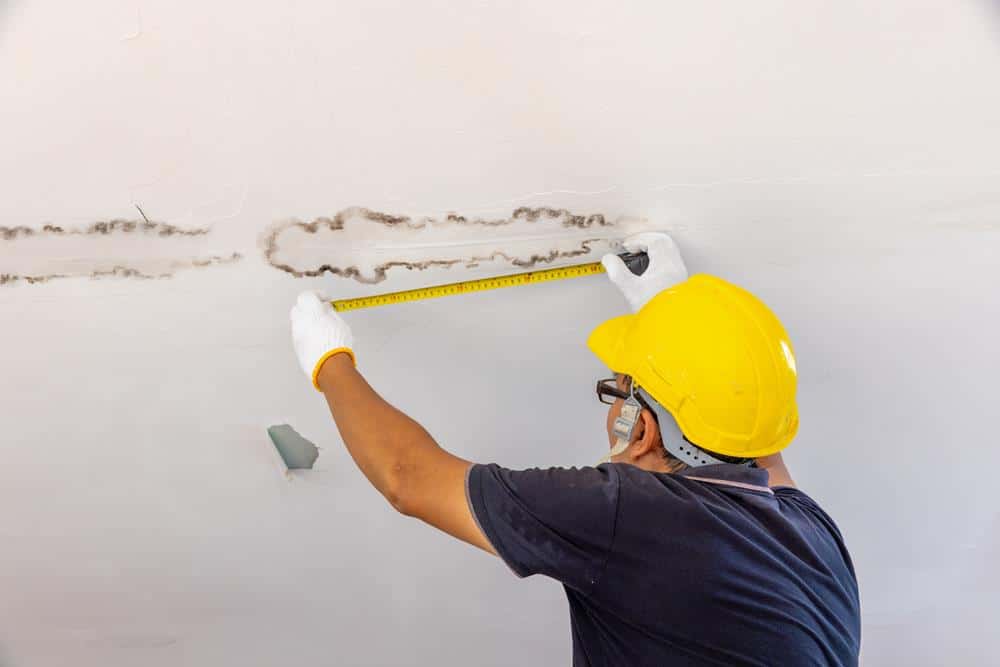
A cracked tile, missing shingle, damaged flashing, or worn sealant may allow only a little moisture during the first rain. After repeated storms, water may reach roof decking, framing, insulation, or interior finishes.
Common warning signs include:
- Cracked or displaced roof tiles
- Missing or damaged shingles
- Loose or damaged flashing
- Worn sealant around vents
- Ceiling stains or peeling paint
- Musty attic smells
- Water near skylights or chimneys
Use binoculars or a zoomed phone camera for a basic check from the ground. Inside, inspect ceilings, closets, the garage, and areas near skylights or fireplaces. A small brown mark may be the first visible sign of moisture. Do not simply paint over it without finding the source.
Water does not always appear directly below the opening. It can travel along framing before becoming visible, which makes some leaks hard to trace.
Schedule an evaluation when you notice active leakage, recurring stains, damaged roof materials, or failing flashing. Roof work often requires special training and safety equipment. When hiring a California contractor, verify the license status when a license is required and ask for a written description of the recommended work.
Mistake 3 Overlooking Trees and Overhanging Branches
Mature trees add shade, privacy, and character to many Pleasanton, Dublin, and Livermore neighborhoods. They also need regular observation before seasonal wind and rain.
Look for dead limbs, cracked branches, newly leaning trunks, exposed roots, cavities, or mushrooms near the base. Pay close attention to large branches over the roof, driveway, fence, or outdoor living area.
Branches touching the roof can scrape roofing materials, collect leaves, and create a path for pests. Weak limbs may also become less stable in wind, while wet soil can affect support around roots.
This does not mean every large tree needs to be removed. Healthy trees provide real benefits. A qualified arborist can identify damaged branches and explain whether pruning, monitoring, treatment, or removal is appropriate.
Schedule an evaluation when a tree appears diseased, unstable, damaged, or unusually close to the home. Never trim branches near power lines. Contact the utility company or proper local authority when branches are touching or threatening electrical lines.
A tree that suddenly leans, develops a large crack, or loses a major limb deserves prompt professional attention.

Mistake 4 Allowing Water to Collect Near the Home
One of the best times to understand your drainage is during a light rain or shortly after it stops.
Wait until conditions are safe, then watch where water slows, pools, or moves toward the home. This simple check can reveal problems that are easy to miss during dry weather.
Look for:
- Downspouts emptying beside the foundation
- Standing water near patios or walkways
- Blocked landscape drains
- Water entering the garage or crawl space
- Soil erosion
- Water collecting near retaining walls
- New channels forming in landscaping
The ground around a home should generally direct surface water away from the structure. Settled soil, new landscaping, hardscape projects, clogged drains, or poorly placed downspouts can change that path.
Hillside and sloped properties may need extra attention. Look for new erosion, exposed roots, leaning retaining walls, soil movement, or water flowing through areas that normally remain dry.
Adjust irrigation when regular rain begins. Sprinklers running on a summer schedule can add water to already wet soil. Check that sprinkler heads are not spraying against siding, windows, fences, or the foundation.
Clear leaves from drain grates and drainage channels before a storm. Do not redirect water onto a neighboring property or into an unapproved location.
Repeated pooling, garage intrusion, crawl-space moisture, major erosion, retaining wall movement, or foundation concerns should be evaluated by the right licensed professional. This may include a drainage contractor, engineer, foundation specialist, or another qualified expert.

Mistake 5 Ignoring Small Maintenance Problems
Winter property maintenance is often a group of small jobs rather than one large project.
Walk around windows and exterior doors. Look for caulking that has cracked, separated, or disappeared. Check whether doors close properly and whether weatherstripping remains in place.
Inspect siding and exterior trim for open joints, damaged sections, peeling finishes, or soft areas. Check gutters for loose brackets and look at flashing that is safely visible from the ground.
Walk the fence line and note leaning posts, loose boards, rusted hardware, and gates that no longer latch. Moist soil and wind can place more pressure on a fence that is already weak.
Also watch for minor ceiling stains, outdoor drains covered by leaves, and irrigation heads aimed at the home.
Not every small issue needs emergency service. Create a list with three groups:
- Complete now
- Schedule soon
- Continue to monitor
Give priority to active water intrusion, electrical hazards, visible structural movement, and falling branches. Water near a light fixture, a shifting wall, or a cracked limb above the home should receive prompt professional attention.

Bonus Tip Document the Home Before Storm Season
Dated photos or videos can be useful for maintenance records and insurance documentation.
Take clear images of the roof when safely visible, exterior walls, fences, trees, landscaping, major interior rooms, the garage, appliances, major systems, and valuable personal property. Photograph model and serial numbers when practical.
Keep receipts for major purchases, repairs, and improvements. Store a copy of your records somewhere other than the phone used to take the pictures, such as secure cloud storage.
Photos and videos do not guarantee insurance coverage or claim approval. Policies, exclusions, deductibles, and documentation requirements vary. Review your policy with a licensed insurance professional and ask how your insurer recommends storing a home inventory.
Learn more about Preparing your East Bay home for sale.
How Home Maintenance Before Selling Can Help
Visible maintenance can affect the way buyers experience a property.
Clean gutters, repaired trim, controlled drainage, secure fencing, and addressed roof concerns may improve buyer confidence and reduce obvious questions during a showing or inspection.
For homeowners planning to sell within the next 6 to 12 months, practical maintenance can help:
- Improve the appearance of the property
- Reduce visible signs of deferred maintenance
- Prevent avoidable listing delays
- Clarify repair costs before negotiations
- Make the home easier to prepare for photography
- Show that the property has received regular care
Maintenance does not guarantee a higher sale price or a problem-free inspection. It can make the preparation process more organized and reduce last-minute surprises.
Start with safety concerns, active leaks, drainage problems, roof damage, electrical issues, and visible deterioration. Cosmetic projects can usually come later.
Before spending heavily on renovations, ask a local real estate professional which repairs are likely to matter to buyers. Some improvements may be worth completing, while others may not be necessary before listing.
Winter is not automatically a bad time to sell in the Tri-Valley. Buyers and sellers remain active, although activity and competition vary by neighborhood, property type, condition, pricing, interest rates, and available inventory.
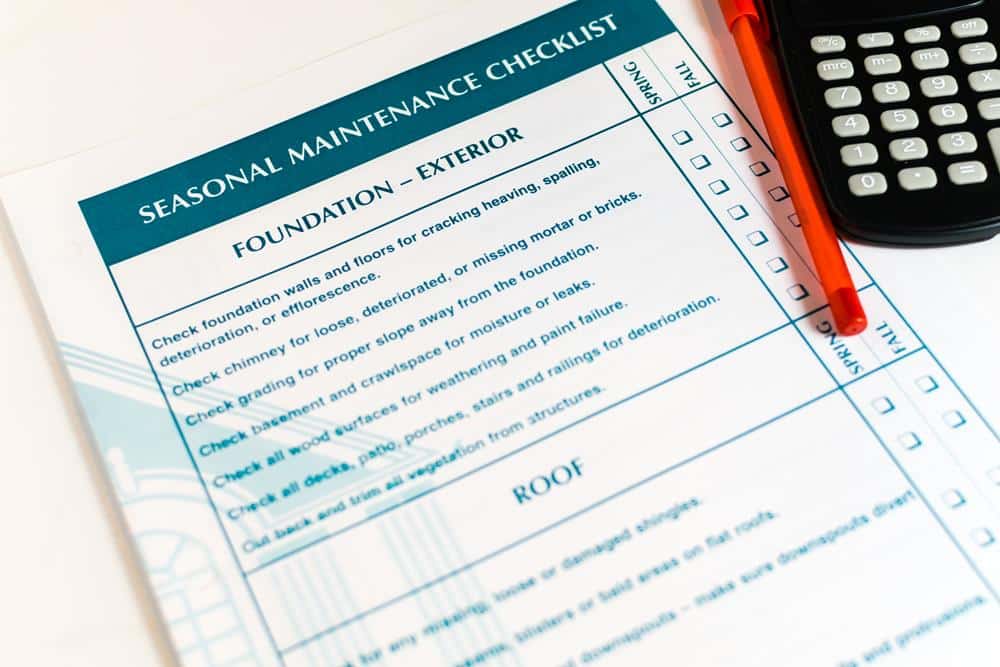
Prioritized Winter Maintenance Checklist
Check Immediately
- Look for ceiling stains, damp areas, or musty odors.
- Observe the roof from the ground for missing or damaged materials.
- Clear leaves from outdoor drains and drainage channels.
- Check where every downspout empties.
- Reduce or pause irrigation when regular rain begins.
Complete Before the Next Major Rain
- Clean accessible gutters and downspouts using proper safety precautions.
- Check exterior caulking around windows and doors.
- Secure loose fence boards, gates, and accessible hardware.
- Remove leaves and yard debris from stormwater paths.
- Take dated photos or videos of the property and major belongings.
Schedule With a Professional
- Evaluate active roof leaks or damaged roof materials.
- Inspect dead, cracked, leaning, or unstable trees.
- Review repeated pooling or water entering a garage or crawl space.
- Investigate water near electrical fixtures.
- Assess foundation movement, retaining walls, erosion, or slope concerns.
A Practical Plan for Protecting Your Home
The most useful East Bay homeowner tips are often simple. Keep water moving away from the house, repair small openings before repeated rain, watch trees and fences for changes, and hire qualified help when the work involves height, electricity, structural movement, or major drainage.
If you are thinking about selling your Pleasanton, Dublin, or Livermore home, I can help you identify which preparation projects are likely to matter most to buyers and which improvements may not be necessary.
I can also help you prepare for a pre-listing inspection, review your local home value, or request a Bay Area Winter Home Readiness Checklist.
As a Pleasanton Realtor® with JPAR Iron Horse Real Estate, I serve Pleasanton, Dublin, Livermore, the Tri-Valley, and the greater East Bay. My goal is to help you make practical decisions based on your property and your plans.
Visit darinobrien.com to learn more.
Frequently Asked Questions
About the Author: Darin O’Brien

Darin O’Brien is a native San Francisco East Bay Area REALTOR®, an author of books for buyers and sellers, and A.I. Certified Agent™. He works with JPAR® Iron Horse Real Estate, specializing in homes and luxury properties.
DRE #01359917
📧 darin@darinobrien.com
📞 (925) 639‑4851
Related Posts