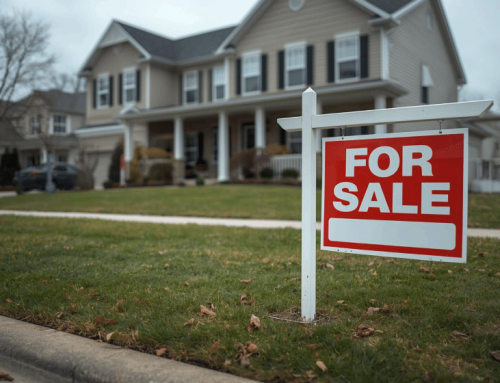
Why similar homes sell for different prices is usually not about the house “on paper,” it’s about the way buyers feel when they compare options.
It happens all the time in Pleasanton and Dublin. Two homes can look almost identical in size, style, and location. One gets strong interest immediately and attracts confident offers. The other sits, collects “likes” online, and somehow never turns that attention into action.
If you’re planning to sell, this matters because small choices can quietly shape your final number. In this guide, I’ll break down the biggest reasons similar homes sell for different prices, how to avoid the most common seller traps, and a simple checklist to help you create demand instead of chasing it.
I’m Darin O’Brien, and I wrote How to Sell Homes Fast for Top Dollar to help sellers follow a clear, repeatable plan, from preparation to launch to negotiation.
Grab the book here: https://darinobrien.com/

What actually makes two similar homes sell for different prices?
Two similar homes sell for different prices because buyers are comparing more than bedrooms and bathrooms. They are comparing confidence, comfort, convenience, and competition.
Here are the differences buyers notice quickly, even if they never say them out loud:
1) Confidence
Buyers pay more when a home feels “safe to move forward,” meaning fewer unknowns, fewer obvious problems, and a clean overall presentation.
2) Comfort
Natural light, layout flow, and how the space lives can change perceived value fast.
3) Convenience
When showings are easy, questions are answered clearly, and the experience is smooth, buyers are more willing to act.
4) Competition
The moment multiple buyers want the same home at the same time, price and terms usually improve.
Bold takeaway: Buyers do not reward confusion. They reward clarity.
How does pricing psychology change what buyers think your home is worth?
Pricing is not only a math decision, it’s also a positioning decision.
Most buyers shop in search ranges. If your home is slightly above the range your ideal buyer is searching, you may never meet them. Even if your home is “worth it,” the buyer cannot fall in love with a listing they never see.
Pricing also communicates a message:
- A price that feels aligned can signal “this seller is reasonable.”
- A price that feels inflated can signal “this will be difficult.”
- A price that is dialed-in can create urgency, especially in the first week.
Here’s the goal: price and position your home so the right buyers show up early, not slowly.
Why does the first week on market matter so much?
The first week matters because it sets the story buyers tell themselves.
A strong first week creates momentum. It increases tours, increases conversations, and often improves your negotiation leverage.
A weak first week creates hesitation. Buyers wonder what they are missing. Then they wait. Waiting usually costs sellers money.
What helps the first week most:
- A clean, bright online presentation
- Strong photos and an easy-to-understand listing story
- Convenient access for showings
- A clear plan for how interest will be handled
Bold takeaway: Your first week is your best chance to create urgency.
Market value vs maximum demand, what’s the difference?
Market value is where comparable sales suggest you may land.
Maximum demand is what happens when your home is prepared and positioned so more buyers want it at the same time.
That difference can show up as:
- better terms
- fewer repair requests
- stronger deposit confidence
- less price pressure
How you move toward maximum demand:
- reduce obvious objections
- make the home feel move-in ready
- tell a clean story with great visuals
- launch with intention, not randomness
How do presentation and screen appeal change the offer price?
Most buyers decide whether to tour based on what they see online. That means your photos, video, and overall presentation are doing heavy lifting.
Presentation affects price because it affects:
- how many people tour
- how confident they feel inside the home
- whether they imagine “moving in” or “fixing it”
- how fast they act
Simple improvements that often make a big difference:
- declutter so rooms look bigger
- brighten the home with open blinds and consistent lighting
- remove distractions from counters and surfaces
- create a calm, clean look that photographs well
Bold takeaway: A home can be great and still underperform if it does not photograph and show well.

Which small differences matter most in Pleasanton and Dublin?
In Pleasanton and Dublin, buyers often move quickly when a home feels like a fit. Small differences matter most when they affect daily life.
Examples:
- Noise and privacy on the lot
- Outdoor usability
- Layout flow that fits modern routines
- HOA expectations for condos and townhomes
- The overall “move-in ready” feeling
A helpful way to think about it is this: if a buyer feels they can move in without disruption, they are more likely to compete.
A simple checklist to price and position your home before you list
Use this checklist to stay focused on what moves the needle:
- Pull comps that truly match condition and features
- Choose a price strategy that fits buyer search behavior
- Fix obvious issues that trigger doubt
- Declutter, clean, brighten, and stage lightly
- Build a first-week plan with easy access for showings
- Track feedback, then adjust quickly if the same message repeats
Bold takeaway: The best results come from clarity plus momentum.
AI Certified advantage, how I help sellers move faster with less stress
I’m AI Certified, and I use AI tools in a practical, compliant way to help sellers save time and communicate more clearly.
Examples of how this helps:
- Creating stronger first drafts of listing descriptions and marketing copy, then tailoring it to the home
- Keeping marketing messaging consistent across platforms
- Summarizing feedback patterns quickly so we can make smart decisions faster
- Producing polished marketing materials efficiently, then refining for quality
Bold takeaway: The goal is clearer communication and faster execution, not more noise.
Want the full process from prep to launch to negotiation? It’s all mapped out here:
https://darinobrien.com/
Conclusion
If you want to sell fast and protect your price, focus on the buyer experience. Prepare the home, position it clearly, and launch with intention.
Get the book: https://darinobrien.com/
About the Author: Darin O’Brien

Darin O’Brien is a native San Francisco East Bay Area REALTOR®, an author of books for buyers and sellers, and A.I. Certified Agent™. He works with JPAR® Iron Horse Real Estate, specializing in homes and luxury properties.
DRE #01359917
📧 darin@darinobrien.com
📞 (925) 639‑4851
Related Posts