

How to Sell Fast, and Still Get Top Dollar in the Bay Area in 2026
Selling your home fast for top dollar in the Bay Area in 2026 is absolutely possible, but only if you treat it like a launch, not a listing.
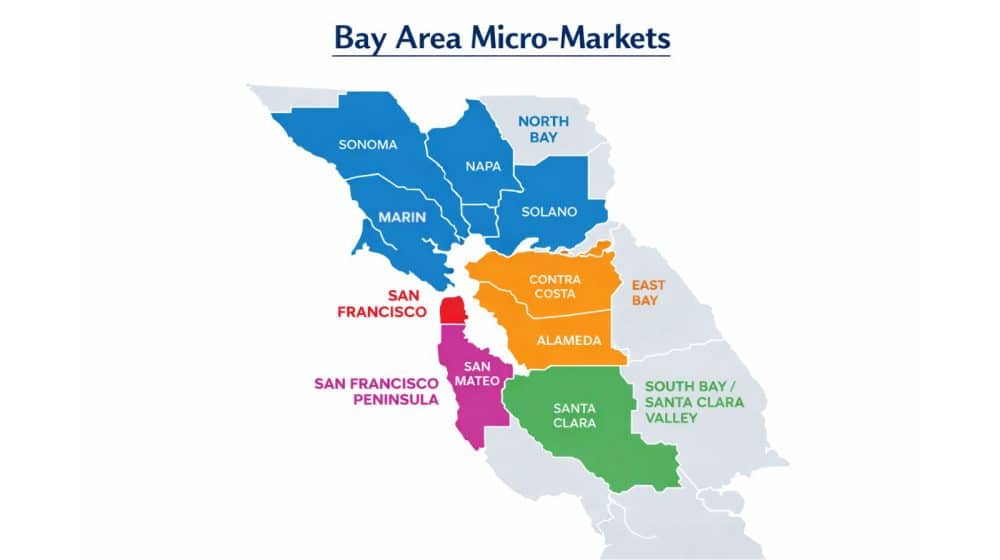
The Bay Area isn’t one market. It’s a collection of micro-markets where the right home can movequickly, and the wrong strategy can cause days on market to pile up fast. The good news, when you prep smart, price strategically, and launch with intention, you can create urgency without discounting your home.
I’m Darin O’Brien, a Bay Area Realtor®, real estate book author, and an A.I. Certified AgentTM. In this guide, I’m going to walk you through the same process I use with sellers who want speed and top dollar, without leaving money on the table.
What’s different about selling a Bay Area home in 2026?
Selling in 2026 is different because buyers are more careful, more payment-conscious, and quicker to move on from listings that feel uncertain.
Here’s what I’m seeing matter most:
- Clarity wins. Buyers respond to clean disclosures, clear condition, and a home that feels well cared for.
- Presentation matters more than ever. Most buyers decide whether they want to tour your home based on the first few photos.
- Terms are a bigger lever. The highest price is not always the best offer when you factor in certainty and net.
How do you sell your home fast in the Bay Area without underpricing it?
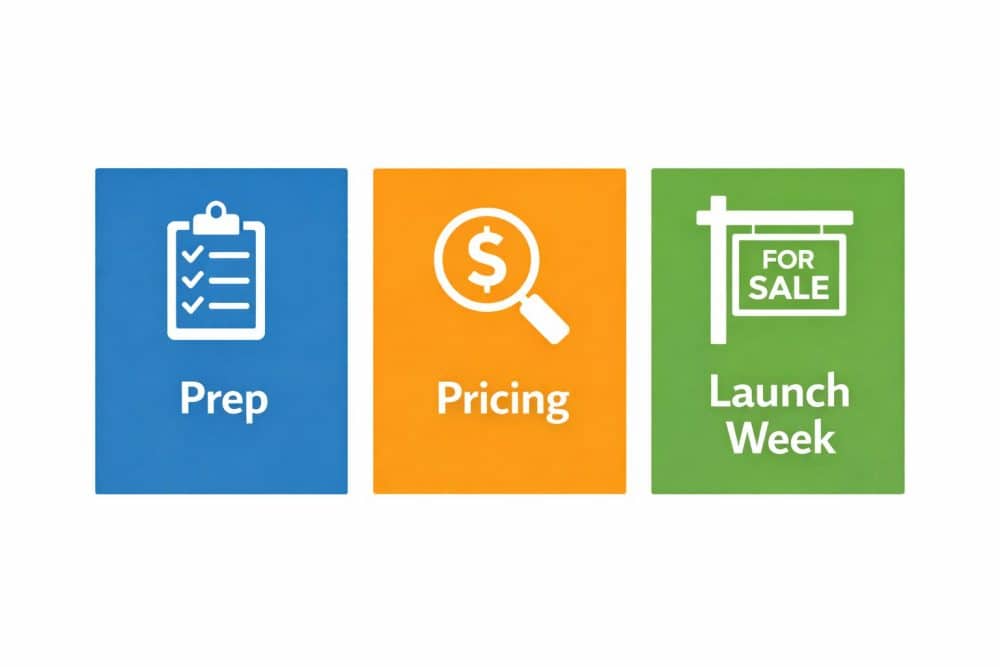
You sell fast without underpricing by combining targeted prep, strategic pricing, and a high-intensity first week.
Many sellers hear “sell fast” and assume it means “price low.” In the Bay Area, that can backfire. Pricing too low can attract the wrong buyer pool, invite shaky offers, and create appraisal stress.
Instead, I focus on two drivers:
- Speed comes from certainty. Buyers act faster when they trust the home.
- Top dollar comes from competition. Competition happens when your launch creates urgency.
Quick checklist for speed + price:
- Make the home feel easy to buy
- Make the home easy to understand
- Make the home easy to fall in love with
What’s the best 2026 pricing strategy for top dollar in the Bay Area?
The best pricing strategy in 2026 is to price for your target buyer pool, then use your first 7 to 10 days to validate traction, not to “wait and see.”
Pricing is positioning. The goal is to land in the zone where your most likely buyers feel like they need to act now.
Here’s what that looks like in practice:
- Price for the most realistic financing path. Buyers shop payments, not just price.
- Use the neighborhood story. Location, schools, commute patterns, and lifestyle matter in how buyers justify value.
- Avoid “testing the market.” When a listing feels overpriced, buyers hesitate, and hesitation costs money.
Big takeaway: In many Bay Area pockets, your strongest offers show up early when the home is positioned correctly.
Which repairs and upgrades actually help you sell faster, and which waste money?
The best upgrades are the ones that remove buyer objections quickly, not the ones that try to reinvent the home.
In 2026, buyers still pay for light, layout, and condition. They are far less forgiving about homes that feel like a project, especially if the photos highlight deferred maintenance.
High-impact fixes that usually help:
- Fresh paint and clean touch-ups
- Lighting upgrades that make rooms brighter
- Fixes that eliminate “nagging” issues (leaks, sticking doors, broken fixtures)
- Deep cleaning, odor removal, and decluttering
Be cautious with these right before listing:
- Full remodels with long timelines
- Highly personalized design choices
- Anything that triggers permits and delays, unless it’s truly necessary
My rule: If the buyer can see it in the photos, it matters. If it shows up during an inspection, it matters. Everything else is optional.

How much should Bay Area sellers budget for pre-sale prep in 2026?
Most Bay Area sellers should plan for a real-world prep budget, even if the home is in good shape, because the goal is to outperform competing listings online.
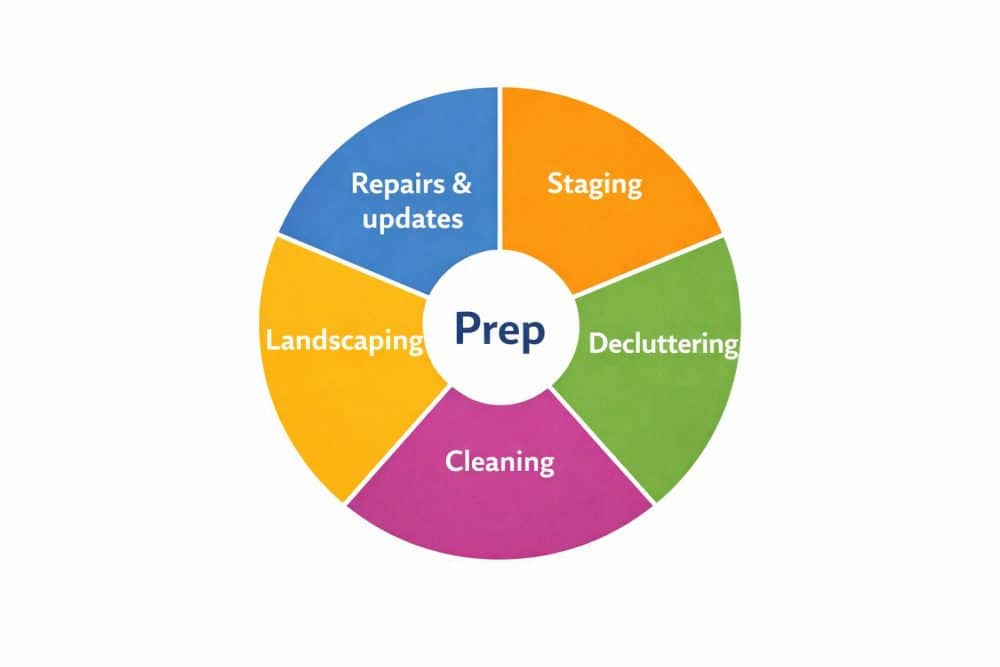
Common prep categories include:
- Repairs and handyman work
- Landscaping and curb appeal
- Cleaning, junk removal, and packing help
- Staging or partial staging
- Photography and video
Simple way to think about budget: Spend where buyers notice it first, and where it reduces uncertainty.
Should you sell “as-is” or fix it up first in the Bay Area?
You should sell “as-is” when the cost and disruption of repairs are unlikely to be recovered through a higher net, and when you can still present the home clearly and confidently.
I’ll say this plainly, “as-is” does not mean “messy.” It means you choose what to fix, what to disclose, and how to price based on a smart strategy.
Two seller-friendly approaches:
- As-is, but documented: You provide clarity about condition so buyers feel safe.
- Targeted fixes only: You address the big objections, then launch strong.
What staging and “screen appeal” wins in 2026 Bay Area listings?
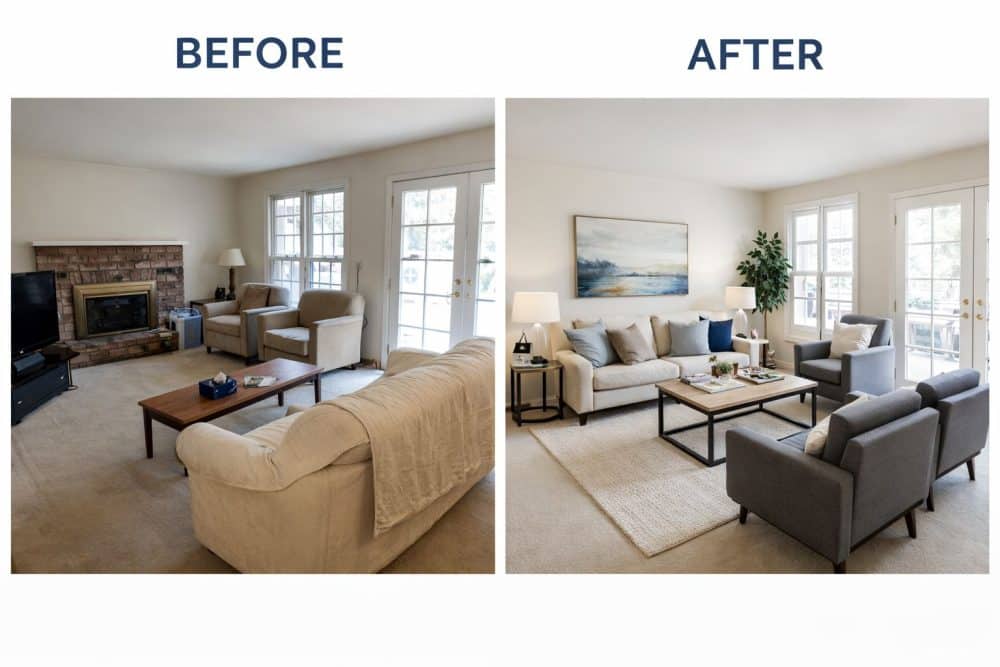
Staging that wins in 2026 makes your home feel bright, spacious, and easy to imagine living in, especially in the first 10 photos.
My “screen appeal” checklist for Bay Area listings:
- Start with the living room and primary bedroom
- Keep decor simple and uncluttered
- Make lighting consistent, no dark corners
- Highlight outdoor space, even a small patio
- Make the entry and front photo feel inviting
Big takeaway: Buyers don’t just buy a home, they buy the feeling they get when they scroll.
What’s the fastest way to create multiple-offer momentum in the Bay Area?
The fastest way to create multiple-offer momentum is to reduce uncertainty before you go live, then launch with a clear plan for showings and a clear offer timeline.
Here’s the launch pattern that tends to work:
- Prep and presentation completed before day one
- Strong first weekend exposure
- Clear communication about offer timing
- A negotiation plan before offers arrive
Pro tip: Momentum is engineered. If you want multiple offers, you build a listing that buyers trust and feel urgency around.

What offer terms help you net more, even at the same price?
The best terms protect your timeline, reduce fall-through risk, and prevent last-minute renegotiations.
Even when two offers are close in price, these terms can change your net and your stress level:
- Inspection structure and how repair requests are handled
- Financing certainty and down payment strength
- Appraisal risk and how it’s addressed
- Closing timeline and any rent-back needs
- Clear communication about any concessions
Big takeaway: Your goal is not just the highest number. It’s the strongest net with the highest certainty.
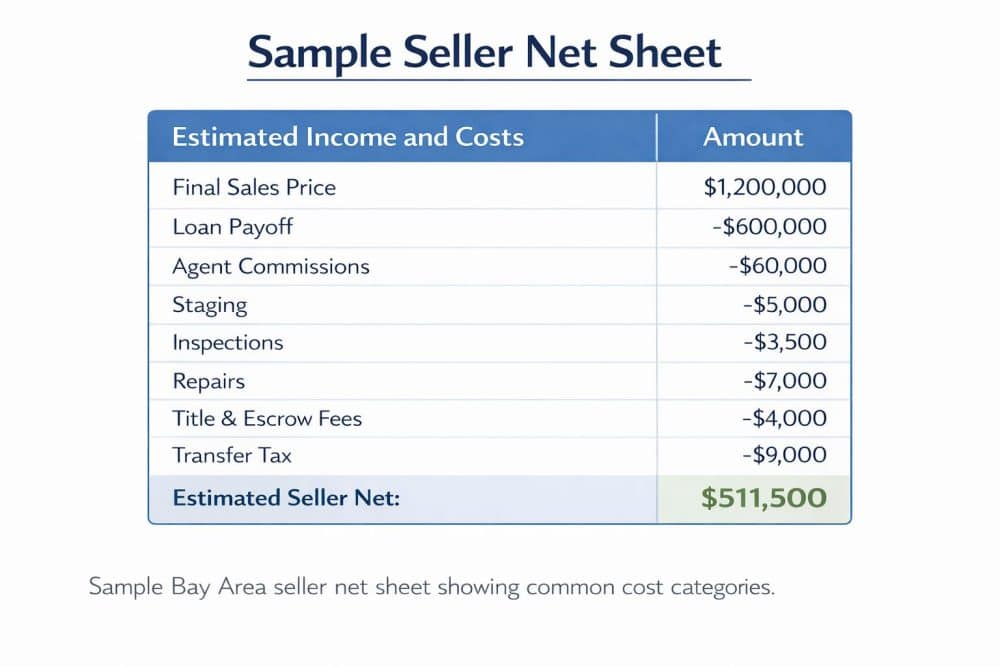
What are common Bay Area seller costs in 2026?
Seller costs often include agent fees, escrow and title fees, transfer taxes depending on location, and any negotiated buyer concessions.
Because the Bay Area is made up of different cities and counties, your cost profile can vary. This is why I always recommend running a clear, simple net estimate before you list, so you can choose the strategy that maximizes what you keep, not just the headline price.
When is the best time to list in the Bay Area in 2026?
In many Bay Area neighborhoods, spring is still a strong season for speed and competition, but the best time for you depends on your local inventory, buyer demand in your pocket of the market, and your move timeline.
Two often-overlooked opportunities:
- Late winter leading into spring, when serious buyers are already shopping
- Early fall, when there’s less competition but buyers are still active
How an A.I. Certified Agent helps you sell faster without cutting corners
An A.I. Certified Agent helps you sell faster by improving marketing execution, tighteningcommunication, and keeping the process organized, while still keeping strategy human andpersonal.
Here are a few ways I use A.I. tools to support sellers in a practical way:
- Sharper marketing: stronger listing descriptions, better photo sequencing, and clearer buyer messaging
- Faster feedback loops: organizing showing feedback and turning it into next-step decisions quickly
- Smoother timelines: tighter follow-up, fewer missed details, and cleaner coordination
- Better exposure planning: making sure the right buyers see your home at the right time
Tech supports the process. It does not replace negotiation, local experience, or good judgment.
Conclusion
If you want to sell fast and still get top dollar in the Bay Area in 2026, the formula is consistent:
- Prep for certainty so buyers feel safe making strong offers
- Price strategically so you attract the right buyers quickly
- Launch with intensity to create urgency and competition
- Negotiate terms, not just price to protect your net
If you want a clear, custom plan for your home, I’d love to help.
Visit my landing page here
Frequently Asked Questions
About the Author: Darin O’Brien

Darin O’Brien is a native San Francisco East Bay Area REALTOR®, an author of books for buyers and sellers, and A.I. Certified Agent™. He works with JPAR® Iron Horse Real Estate, specializing in homes and luxury properties. Darin O’Brien, REALTOR® DRE #01359917