Buying or selling a home in the Bay Area comes with plenty of moving parts — and one of the most important is earnest money. Think of it as the “good faith” handshake of a real estate deal, except instead of a handshake, it’s a chunk of cash that says, yes, I’m serious about this offer.
So how much is normal in San Francisco? When can a seller keep it? And how do you protect yourself from losing thousands? Let’s break it all down, Bay Area style.
What Is Earnest Money & Why It Matters
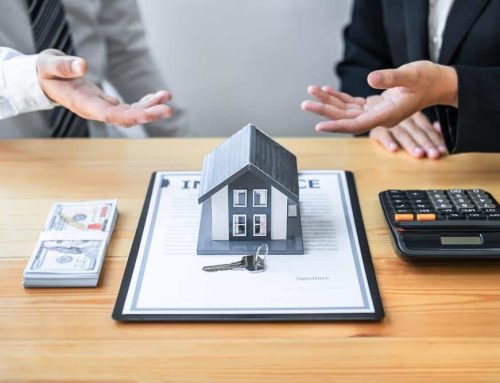
Earnest money is a deposit made by the buyer to show commitment to a home purchase. It usually sits in an escrow account until closing. If the deal goes through, the deposit is applied to the down payment or closing costs. If it falls apart, whether you get that money back depends on the contract terms.
In a hot Bay Area market, earnest money isn’t just a formality — it can be the deciding factor that convinces a seller to take your offer seriously.

Typical Earnest Money Amounts in the Bay Area
In most U.S. markets, earnest money is about 1–2% of the purchase price. In the Bay Area, things move a little differently. Here, it’s usually 3% of the purchase price, thanks to California’s standard purchase agreement. On a $1.2M condo in San Francisco, that’s $36,000 sitting in escrow.
Yes, it’s a big number. But it’s also a signal to the seller that you’re serious in a market where competition is fierce.
When & How the Deposit Is Paid
In Bay Area transactions, earnest money is typically due within 1–3 business days of the seller accepting your offer. The deposit is held by a neutral third party (usually the title or escrow company).
Miss that deadline, and you’re already off to a shaky start. Sellers want to see that money land quickly — it reassures them you’re committed.

Safeguards & Contingencies You Need
The good news is, earnest money doesn’t automatically vanish if your deal falls apart. Buyers usually have protections through contingencies, such as:
- Inspection contingency: Walk away if major issues are
- Appraisal contingency: Protects you if the home doesn’t appraise at the agreed
- Financing contingency: Lets you exit if your loan falls
These safeguards are why earnest money is refundable in many cases. But remove contingencies too quickly — common in bidding wars — and you risk losing that deposit if you back out.
How Earnest Money Can Be Lost — and When It’s Forfeited
No one likes to talk about losing money, but it happens. Common scenarios where buyers lose their deposit include:
- Backing out after all contingencies have been
- Missing contract deadlines without an
- Simply changing your mind with no legal
In California, 3% is often considered the maximum liquidated damages a seller can claim if a buyer defaults. Translation: that’s the ceiling on what you stand to lose.

Seller Rights: When Can They Keep the Deposit?
From the seller’s side, earnest money is their safety net. If a buyer walks away without a valid contingency, the seller may be entitled to keep the deposit for lost time and missed opportunities.
Still, it’s not automatic. Escrow won’t release the funds unless both parties agree, or there’s a legal ruling. In practice, disputes can drag on — which is why clear contract language upfront is critical.
How I Protect My Clients’ Deposits in Bay Area Deals
This is where having the right agent makes all the difference. As an AI-Certified Bay Area agent, I:
- Make sure earnest money timelines are never
- Walk you through contingencies so you know what you’re agreeing
- Use smart tools to flag red flags in
- Negotiate terms that protect your deposit without weakening your
In other words, I help you play it smart — serious enough to win the deal, protected enough to sleep at night.

Frequently Asked Questions
Wrapping Up (and Taking the Next Step)
Earnest money may feel like just another line item in a long list of home-buying steps, but in the Bay Area, it’s a serious piece of the puzzle. Knowing the rules, timelines, and risks can save you from costly mistakes.
About the Author: Darin O’Brien

Darin O’Brien is a native San Francisco East Bay Area REALTOR®, an author of books for buyers and sellers, and A.I. Certified Agent™. He works with JPAR® Iron Horse Real Estate, specializing in homes and luxury properties.
DRE #01359917
📧 darin@darinobrien.com
📞 (925) 639‑4851
Related Posts